

CE Webinar Series
We’re on the Same Team: Supporting Student-Athlete Mental Health
Thursday, October 29, 2026
12-1 pm ET
Continuing Education Webinar Series
We’re on the Same Team: Supporting Student-Athlete Mental Health
Thursday, October 29, 2026 | 12-1 pm ET
Exclusive for Uwill Clients: Earn CE Credits at Our Upcoming Webinar
This session will invite a conversation about student-athlete mental health. It will include risk and protective factors that are specific to student-athletes, identify key collaboration opportunities, evidence-based interventions, and accessible resources. The information presented is supported both by national organizations and the comprehensive resources they have developed as well as from lessons learned by working with athletic administrators and student-athletes across dozens of institutions on the topic of mental health. Participants will leave the session better prepared to effectively collaborate to address the mental health needs of student-athletes.
The themes related to student-athlete mental health, as well as the challenges of coaches and administrators, as well as student affairs professionals, are common across institutions and the resources shared relate personnel roles that most campuses have and resources that can be accessed on any campus. The foundation of this session is grounded in the interdisciplinary research and collaborative work of representatives of dozens of NCAA institutions and national collegiate organizations that informed the NCAA resources listed in the resources section.
Target Audience:
This webinar is ideal for higher education professionals who work directly with students across a wide range of roles. Whether supporting student well-being, academic success, or overall campus experience, this session is applicable for the following audience:
Recommended for:
• Counseling center clinicians
• Health center staff
• Student affairs professionals
• Athletics department staff and coaches
• Academic affairs professionals and faculty advisors
• Residence life and housing staff
• Disability services personnel
• Diversity, equity, and inclusion (DEI) practitioners
CE Credit:
Participants who attend the live session can earn 1 NBCC credit hour. Uwill has been approved by NBCC as an Approved Continuing Education Provider, ACEP No. 7511. Programs that do not qualify for NBCC credit are clearly identified. Uwill is solely responsible for all aspects of the programs.
Uwill, provider #2030, is approved to offer social work continuing education by the Association of Social Work Boards (ASWB) Approved Continuing Education (ACE) program. To earn CE credit, social workers must log in at the scheduled time, attend the entire course and complete an online evaluation. Certificates of completion will be emailed within 10 business days of course completion. Organizations, not individual courses, are approved as ACE providers. State and provincial regulatory boards have the final authority to determine whether an individual course may be accepted for continuing education credit. Uwill maintains responsibility for this course. ACE provider approval period: 8/6/25-8/6/28. Social workers participating in this course receive 1 continuing education credit.
Contact:
For questions, concerns, or to request special accommodations, please email support@uwill.com.
Speaker: Jennifer Jacobsen
MA Sport, Health, Leisure, & Physical Studies University of Iowa
MPH University of Minnesota
DrPH student Johns Hopkins University
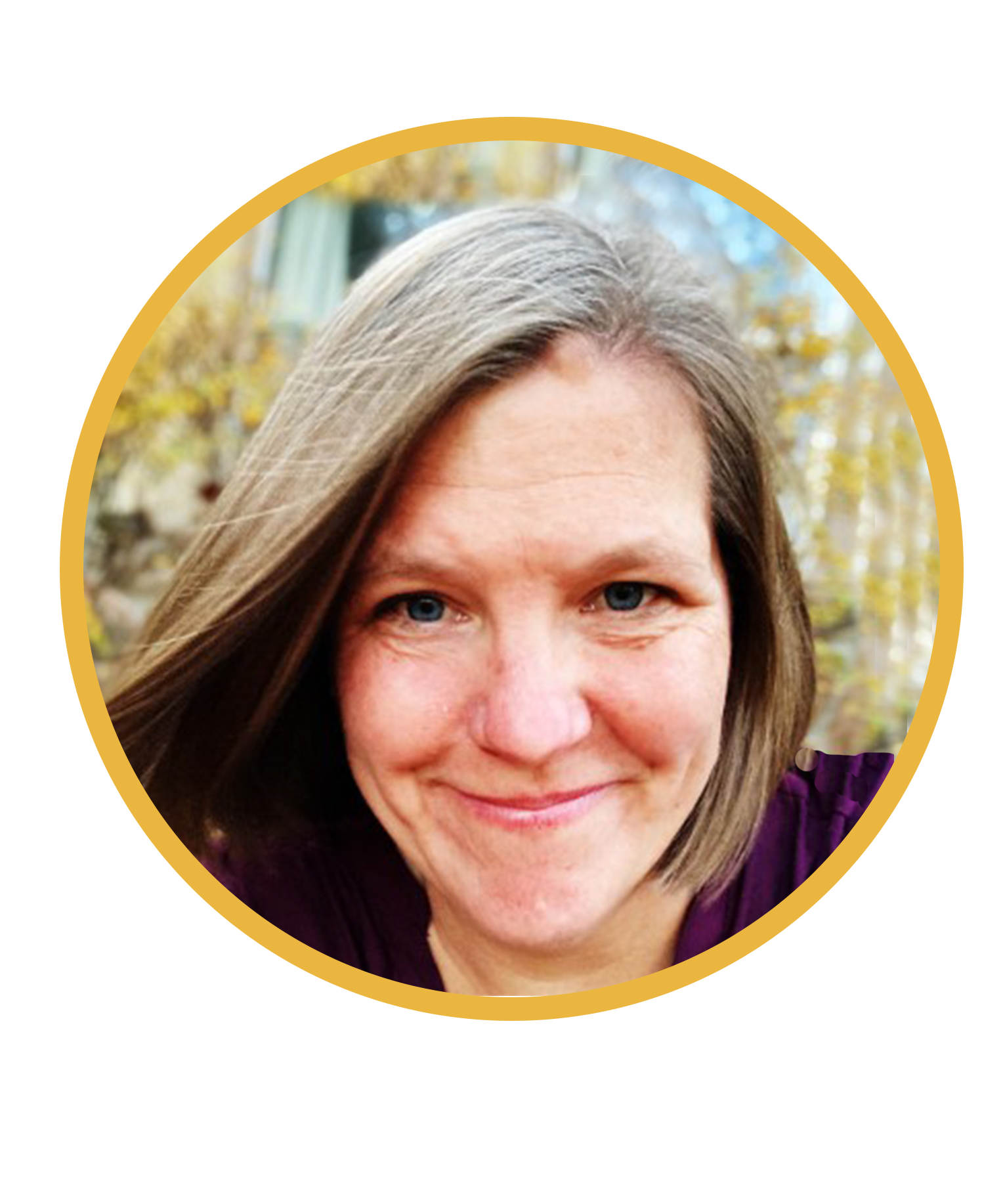
Jen Jacobsen, MA, MPH, is the Executive Director of the Laurie Hamre Center for Health and Wellness at Macalester College. She has worked in higher education for nearly thirty years, first as a track and field coach and then in health promotion. Jen’s professional service includes the NCAA Sexual Assault Task Force, the NCAA Step Up! advisory board, the NCAA Prevention and Harm Reduction Advisory Group, NASPA’s Culture of Respect advisory board, and co-authoring the ACHA’s Addressing Sexual and Relationship Violence toolkit. Her most recent publication is “The Role of Active Bystander Training within a Comprehensive Prevention Framework” in Promoting Behavioral Health and Reducing Risk Among College Students: A Comprehensive Approach (Cimini & Rivera, 2018). She is a passionate advocate for a public health approach to college health. Jen enjoys dogs, running, reading history, and eating good cheese.
Learning Objectives:
Participants will be able to:
-
Identify both risk and protective factors for student-athletes’ mental health
-
Name roles/positions within the athletic department of potential key collaborators
-
Choose from a list of key resources which ones might be valuable at their home institutions
Agenda:
-
12:00 – 12:05: Introductions
-
12:05 – 12:15: Understand Student-Athlete Mental Health: Risk Factors and Protective Factors
-
12:15 – 12:25: Discuss strategies for collaboration
-
12:25 – 12:35: Explore opportunities for effective interventions at all levels of the socio-ecological model
-
12:35-12:45: Review resources
-
12:45-12:50: Reflect and identify action steps
-
12:50-1:00: Questions and wrap up
Bibliography
Provide a minimum of 5 resources (within the past 5 years) used to research the topic and/or for further reading by the attendee. In addition, at least 3 resources (within the last 10 years) must have overall consistent and credible empirical support in contemporary peer reviewed scientific literature (journals). This should be formatted in an APA format.
Edwards, B., Froehle, A. W., & Fagan, S. E. (2023). Trends in Collegiate Student-Athlete Mental Health in the National College Health Assessment, 2011-2019. Journal of athletic training, 58(4), 361–373. https://doi.org/10.4085/1062-6050-0586.21
Egan K. P. (2019). Supporting Mental Health and Well-being Among Student-Athletes. Clinics in sports medicine, 38(4), 537–544. https://doi.org/10.1016/j.csm.2019.05.003
Yoon, J. J., & Petrie, T. (2023). Barriers and Facilitators of College Athletes Seeking Mental Health Services. Journal of athletic training, 10.4085/1062-6050-0559.22. Advance online publication. https://doi.org/10.4085/1062-6050-0559.22
Strauser, C. M., Chavez, V., Lindsay, K. R., Figgins, M. M., & DeShaw, K. J. (2023). College student athlete versus nonathlete mental and social health factors during the COVID-19 pandemic. Journal of American college health : J of ACH, 1–6. Advance online publication. https://doi.org/10.1080/07448481.2023.2201853
Moreland, J. J., Coxe, K. A., & Yang, J. (2018). Collegiate athletes’ mental health services utilization: A systematic review of conceptualizations, operationalizations, facilitators, and barriers. Journal of sport and health science, 7(1), 58–69. https://doi.org/10.1016/j.jshs.2017.04.009
Powers, M., Fogaca, J., Gurung, R., & Jackman, C. (2020). Predicting student-athlete mental health: Coach–athlete relationship. PSI CHI Journal of Psychological Research, 25(2), 172-180.
Athletes connected. Athletes Connected. (n.d.). https://athletesconnected.umich.edu/ Accessed October 20, 2023.
Jed campus. JED. (n.d.). https://www.jedcampus.org/ Accessed October 20, 2023.
NCAA student-athlete well-being study. NCAA.org. (2021). https://www.ncaa.org/sports/2020/5/22/ncaa-student-athlete-well-being-study.aspx Accessed October 20, 2023.
NCAA student-athlete health and wellness study. NCAA.org. (2022). https://www.ncaa.org/sports/2022/9/8/ncaa-student-athlete-health-and-wellness-study.aspx Accessed October 20, 2023.
An introduction to mind, body and Sport. NCAA.org. (2014). https://www.ncaa.org/sports/2014/11/3/an-introduction-to-mind-body-and-sport.aspx Accessed October 20, 2023
QPR Institute: Practical and proven suicide prevention training. QPR Institute | Practical and Proven Suicide Prevention Training QPR Institute (en-US). (n.d.). https://qprinstitute.com/ Accessed October 20, 2023.
Reducing high-risk student alcohol use. (2023, January 1). https://www.naspa.org/https/naspa-org/project/360proof Accessed October 20, 2023.
Step up! bystander intervention program. Step UP! Program. (2023, January 21). https://stepupprogram.org/ Accessed October 20, 2023.
Substance Abuse Prevention Tool Kit. NCAA.org. (2017). https://www.ncaa.org/sports/2017/7/20/substance-abuse-prevention-tool-kit.aspx Accessed October 20, 2023.
V-A-R®. ActiveMinds.org. (2022, October 3). V-A-R: Validate, appreciate, refer. https://www.activeminds.org/about-mental-health/var/ Accessed October 20, 2023.



Uwill is a Teletherapy Educational Partner of NASPA

Uwill is the Exclusive Teletherapy Education Partner of the Online Learning Consortium
Resources
Copyright © 2026 Uwill | 1075 Worcester St, Natick, MA 01760 | 833-99-Uwill